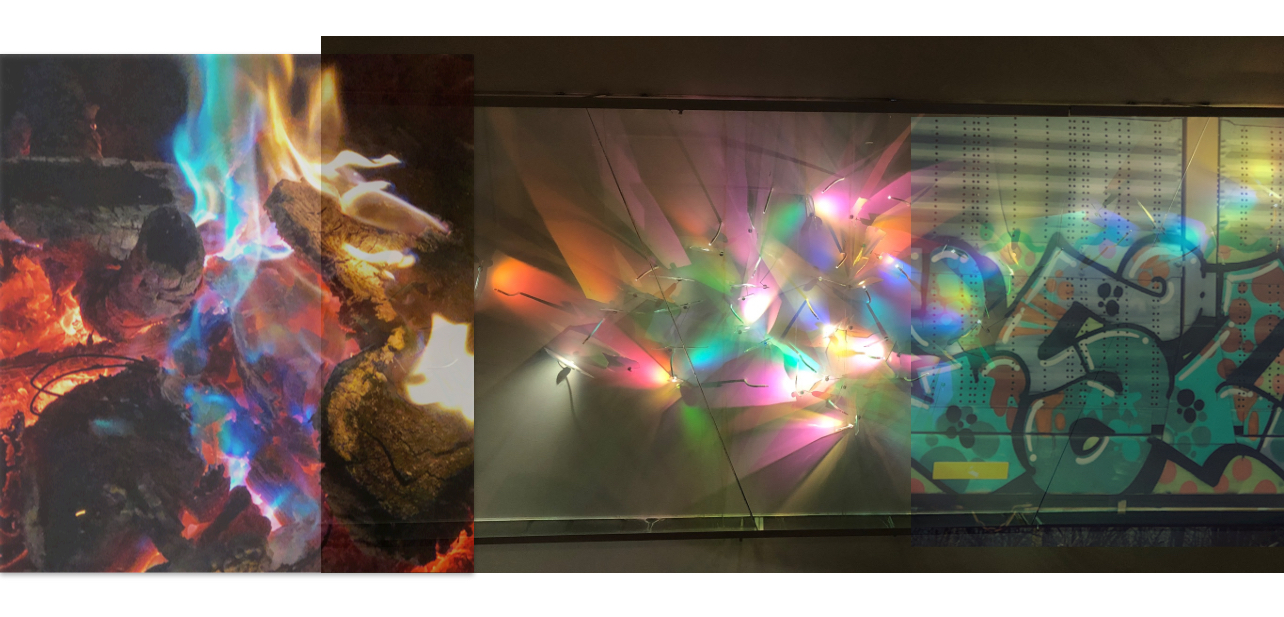
ABOUT: How BOO! began…
Boo means a lot of things depending on tone. It’s used to surprise people or show disapproval but it’s also an endearment. I use it to express affection, honor the world of spirit, and talk about unexpected things that can transform fear or frustration into delight. I learned about the complexities of boo when I was teaching art at a charter school in South Indy.
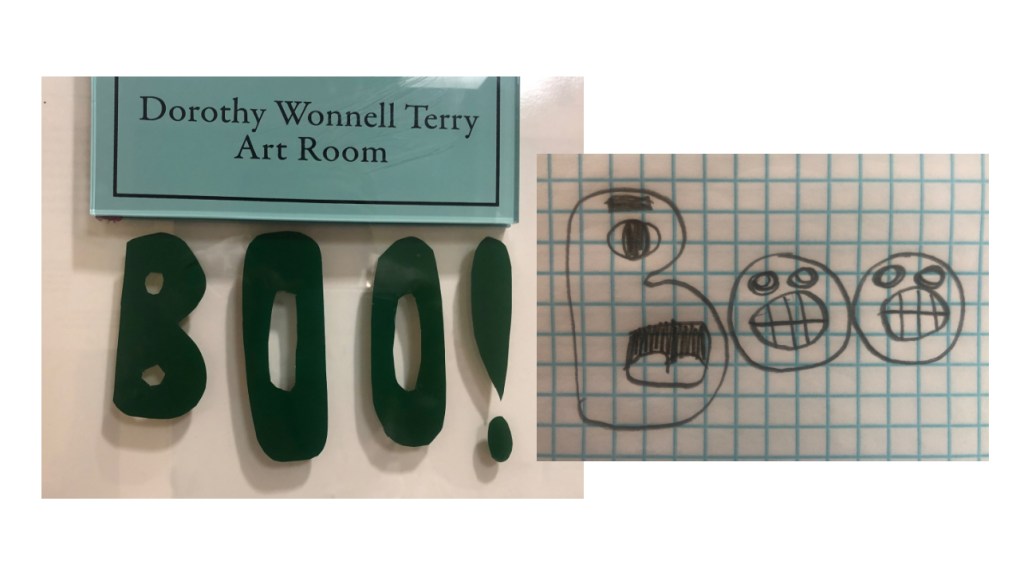
Origin Story
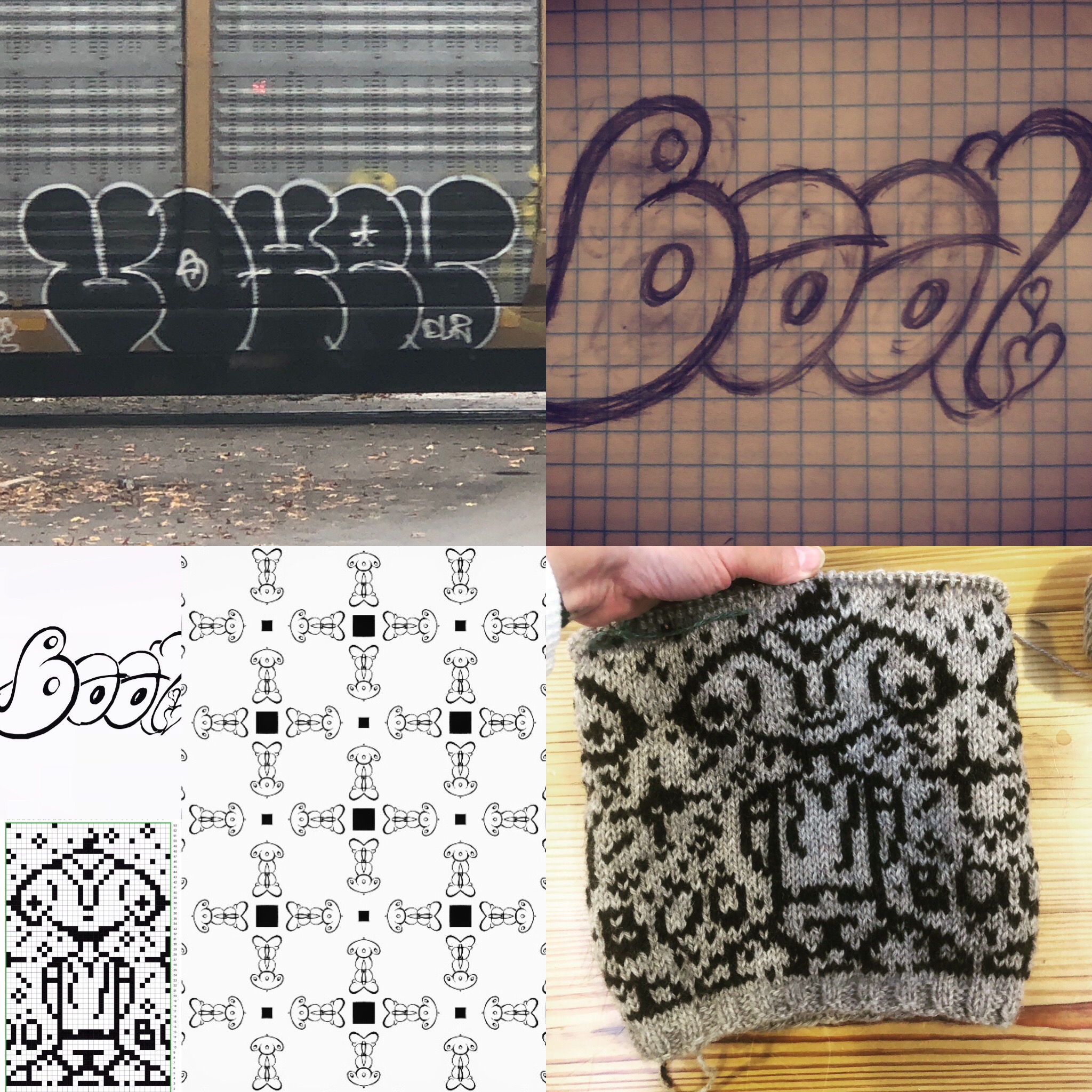
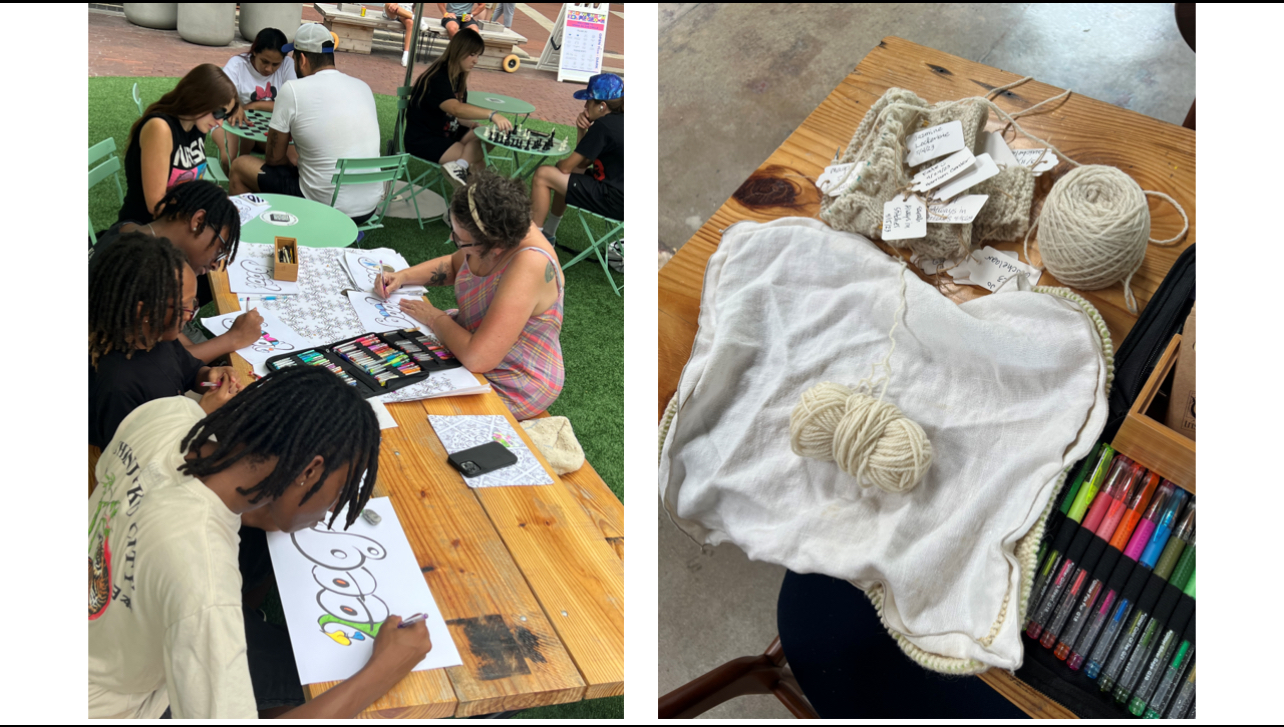
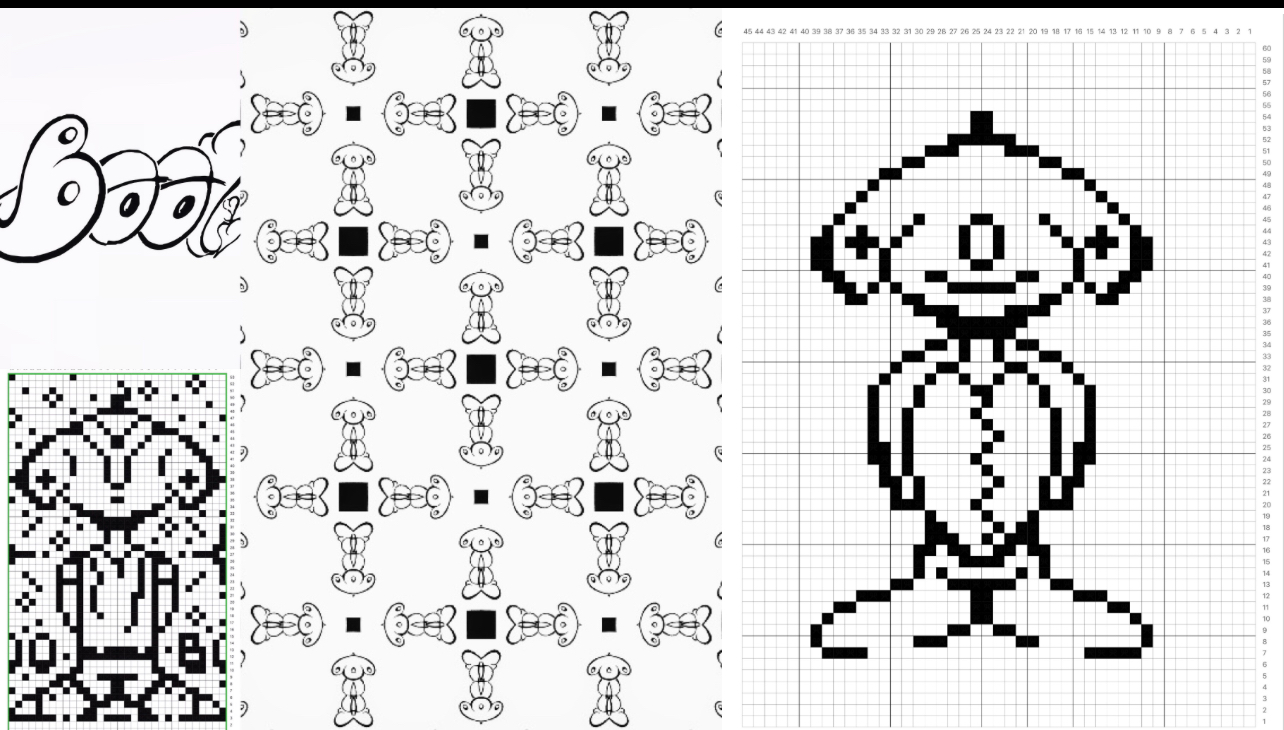
From 2012-19 I taught art to 7-12 grade students. We had a lot of fun in the Art Room listening to music and creating great projects inspired by graffiti. We did community projects for our school, fundraisers, and also coloring sheets when everyone needed to unwind a little bit. Many students didn’t have much confidence in their abilities. So we took pictures of simple drawings and used Adobe Capture to create patterns. They began to see creative possibilities in unexpected place and gained confidence. They created their own coloring sheets using outlines of their hands and invented patterns. They learned about pattern, value, and creative problem solving.

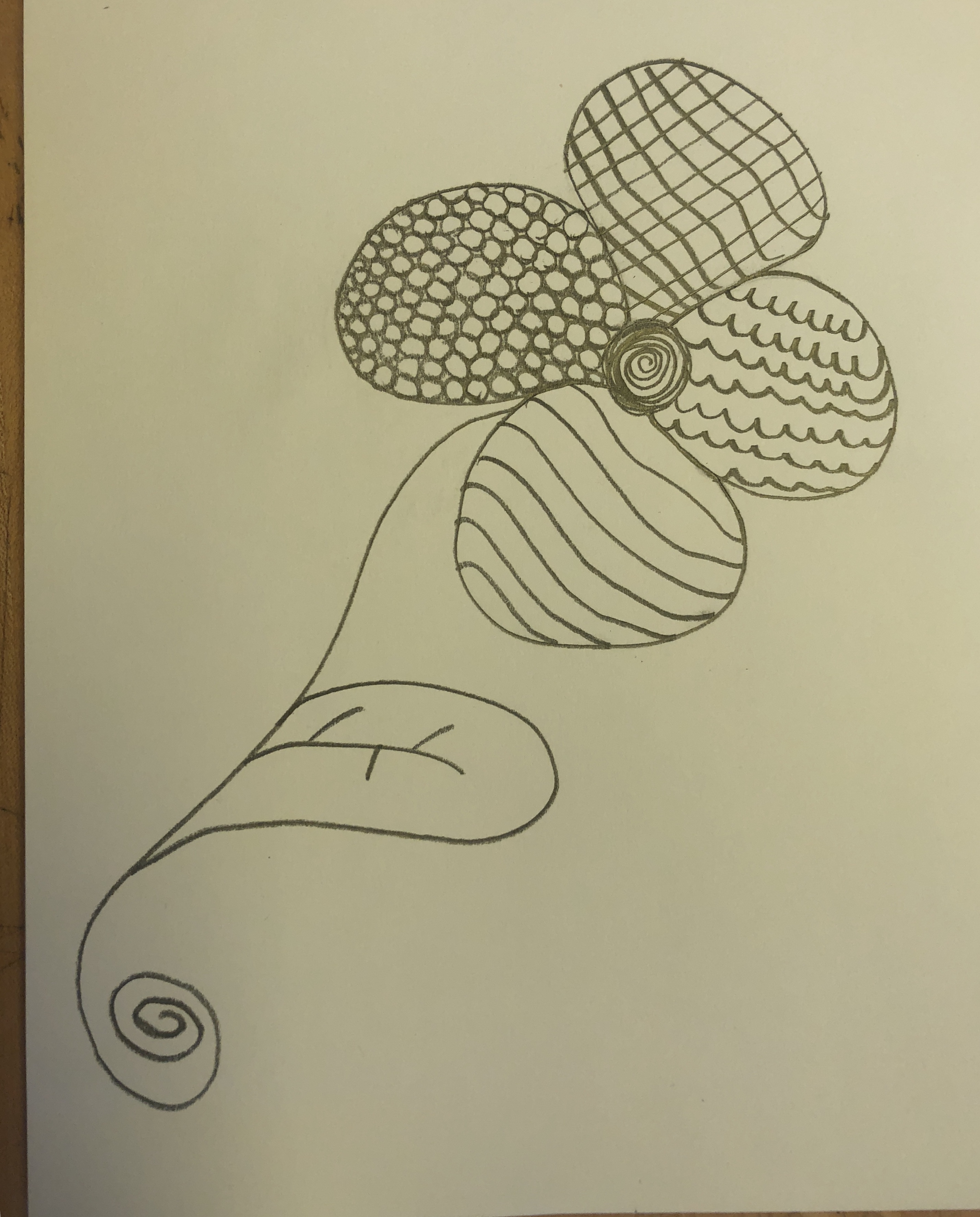

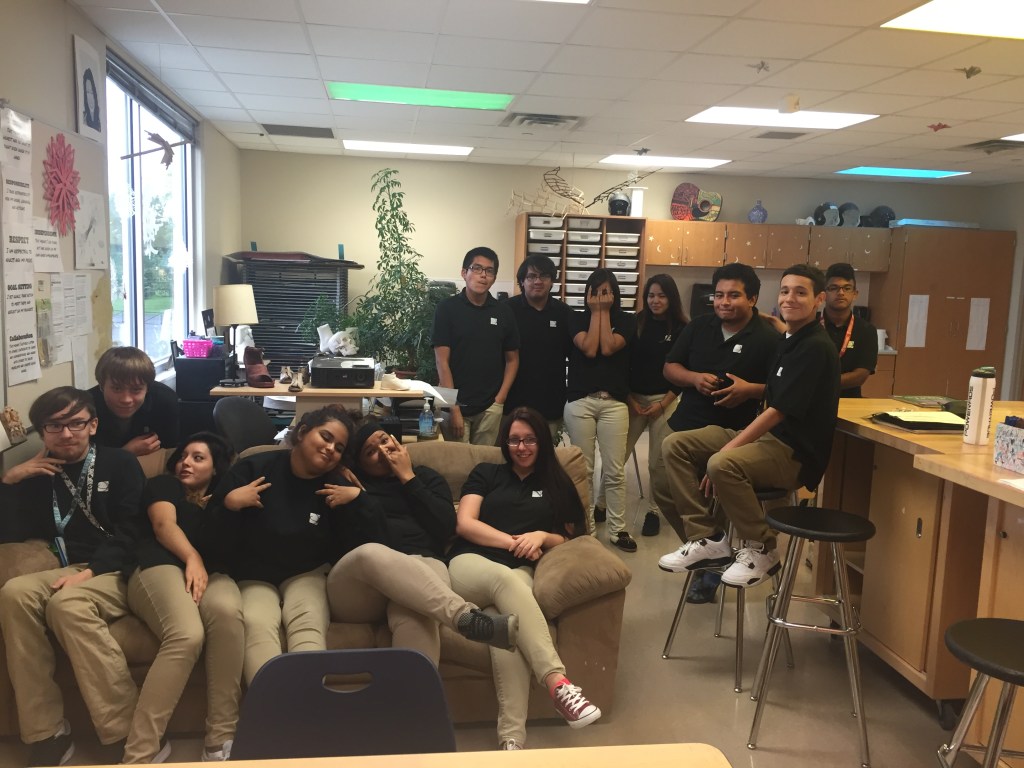
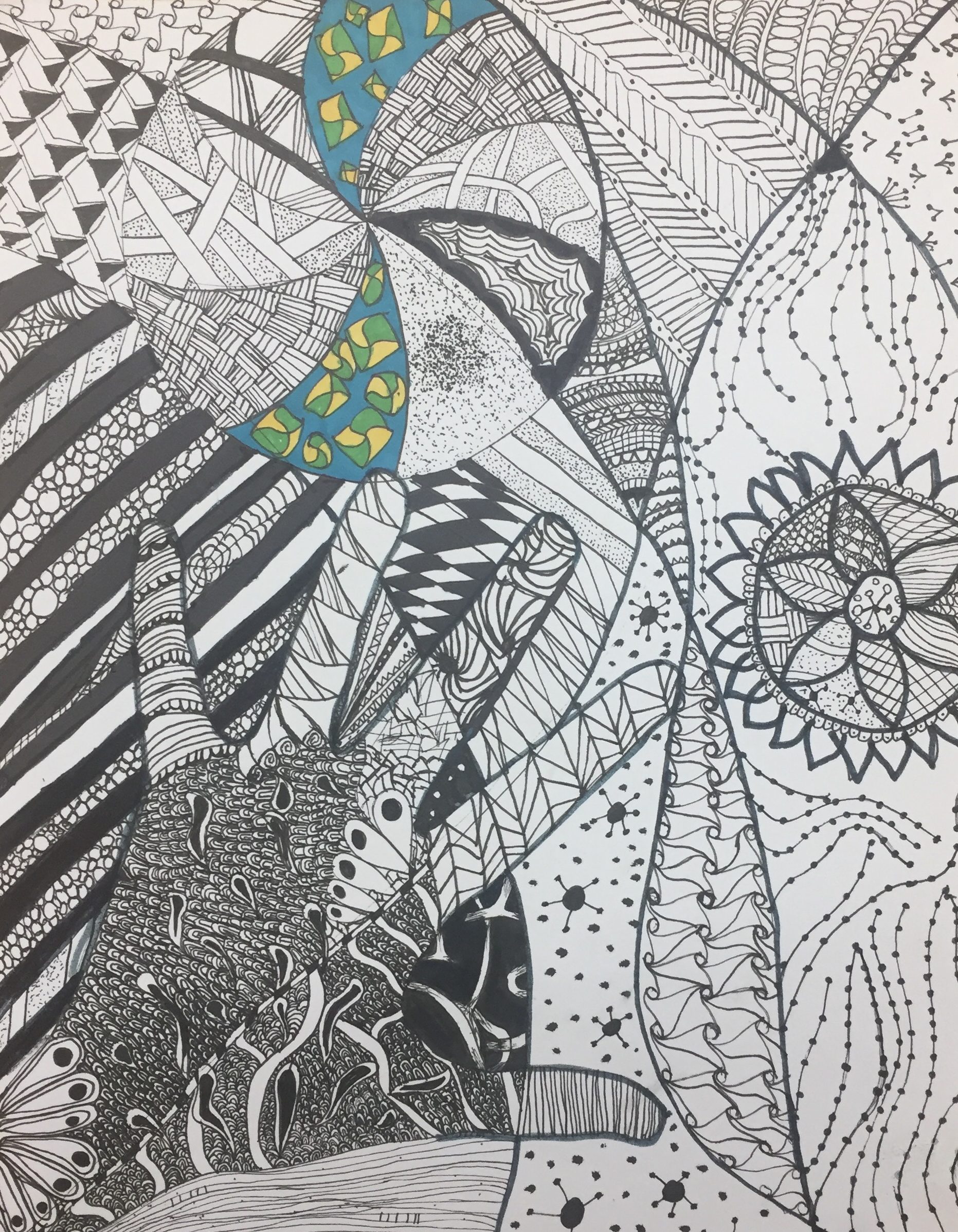
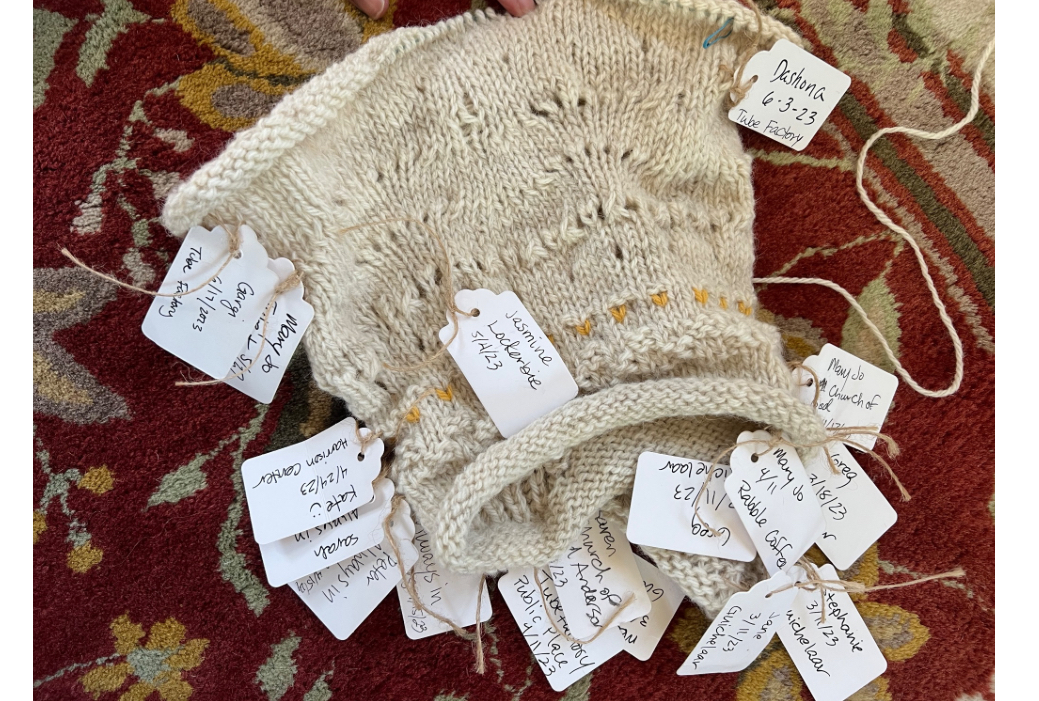
My students’ willingness to experiment and try new things was contagious. I found the courage to transition from traditional sculptural techniques and materials to fiber. My love of engineering structural pieces from metal was transferred to knit garments. It began with a single garment called a hap. This is a type of shawl originally worn by women in the Shetland Islands. I wanted the materials to be as close as they could be to the original object, and had to do a lot of research to find the right kind of wool yarn. What I ended up uncovering was amazing.
First, yarn from the sheep that originally inhabited Shetland is still available. And this breed of sheep is over 1000 years old.
Second, the history of hand knitting is intense. In Europe, knitting of all kinds was a cottage industry for hundreds of years. Women either bartered their knit objects for goods, or were paid tiny wages to produce wool items that were sold in cities. Stockings, undergarments, hats, shawls, and sweaters were a necessity for people who spent a lot of time outside and didn’t have central heating inside. These garments were worn throughout Northern Europe, and different areas gained renown for the quality and softness of their wool and the fineness of the designs being produced.
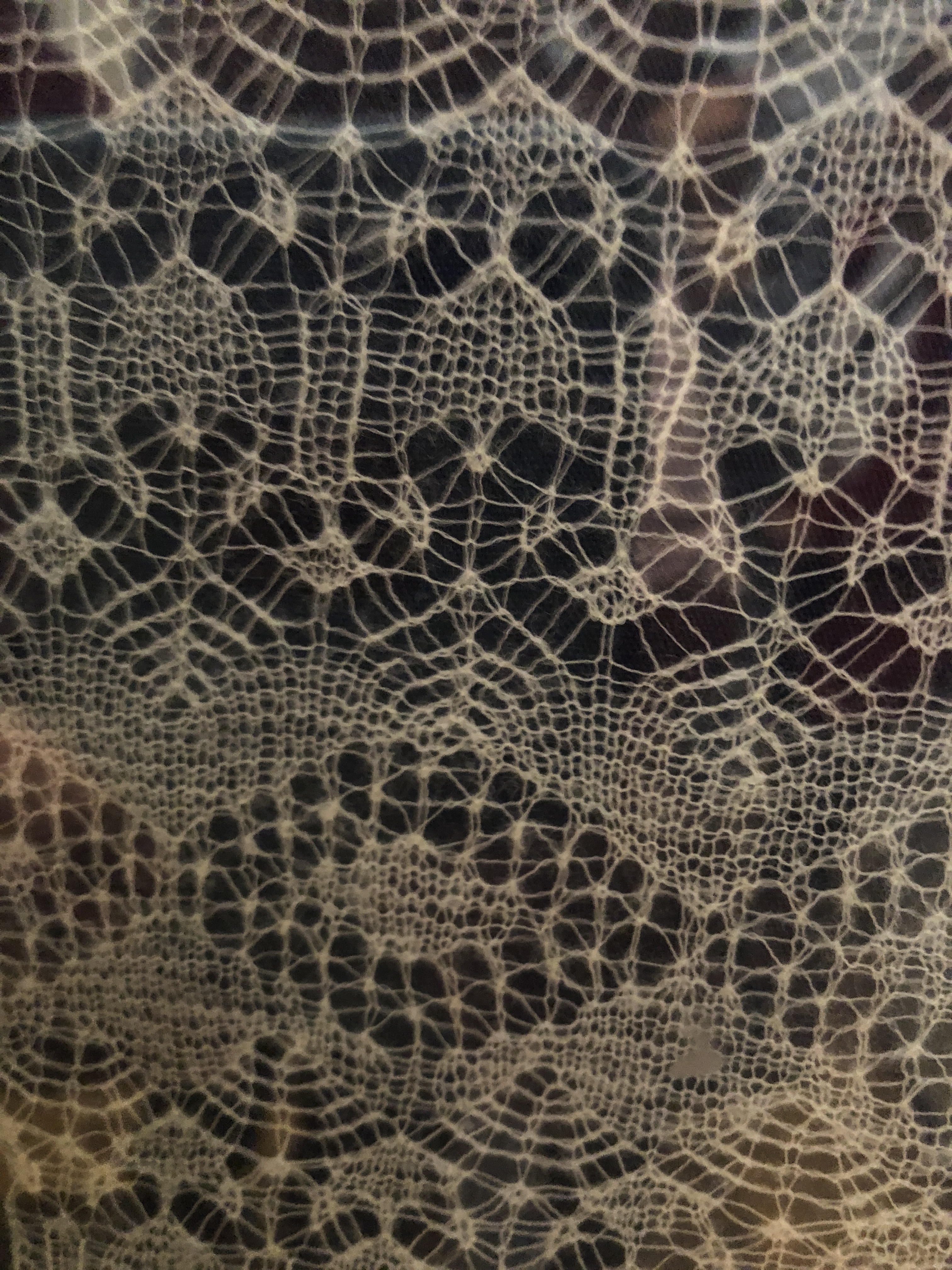
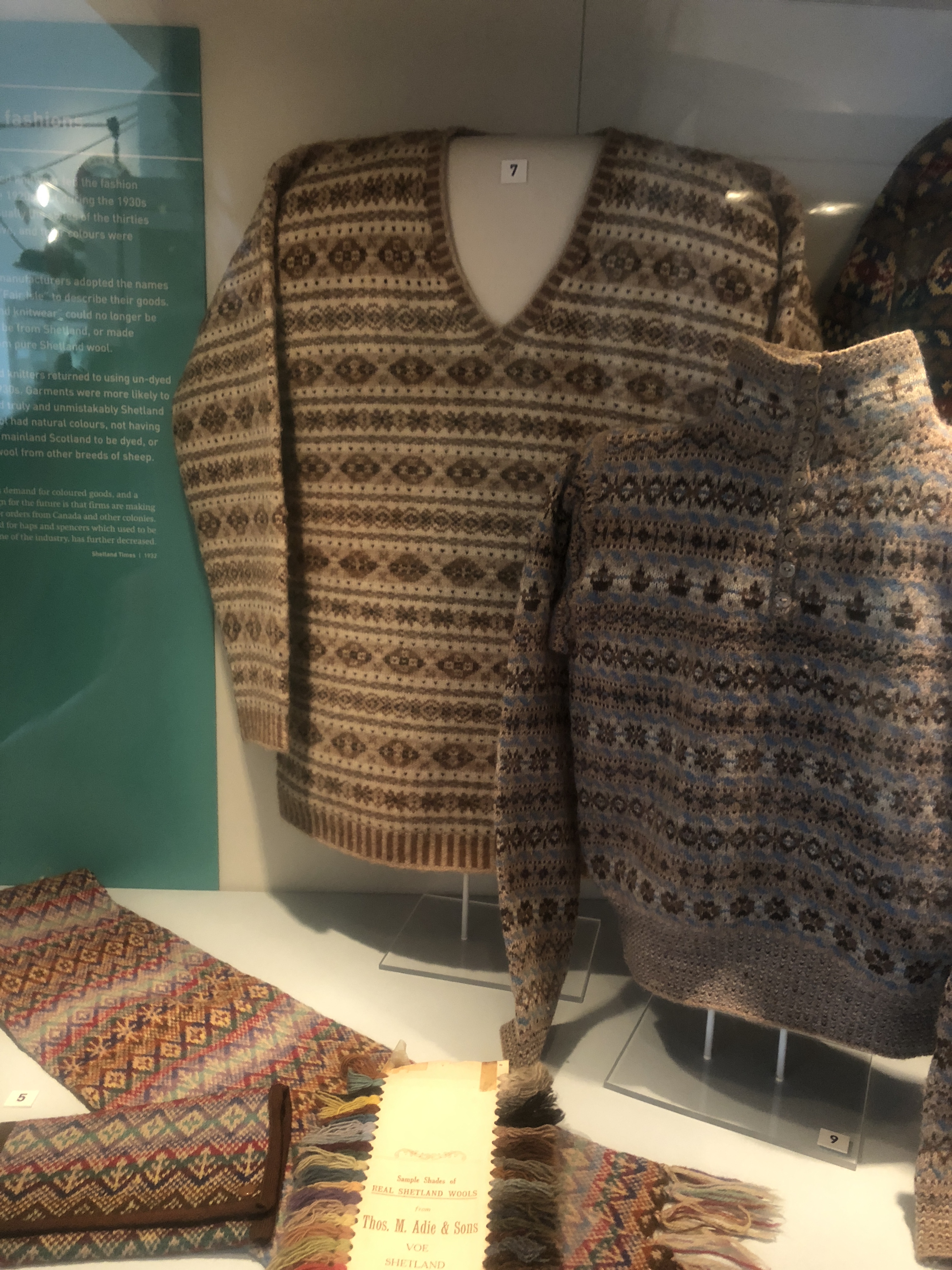
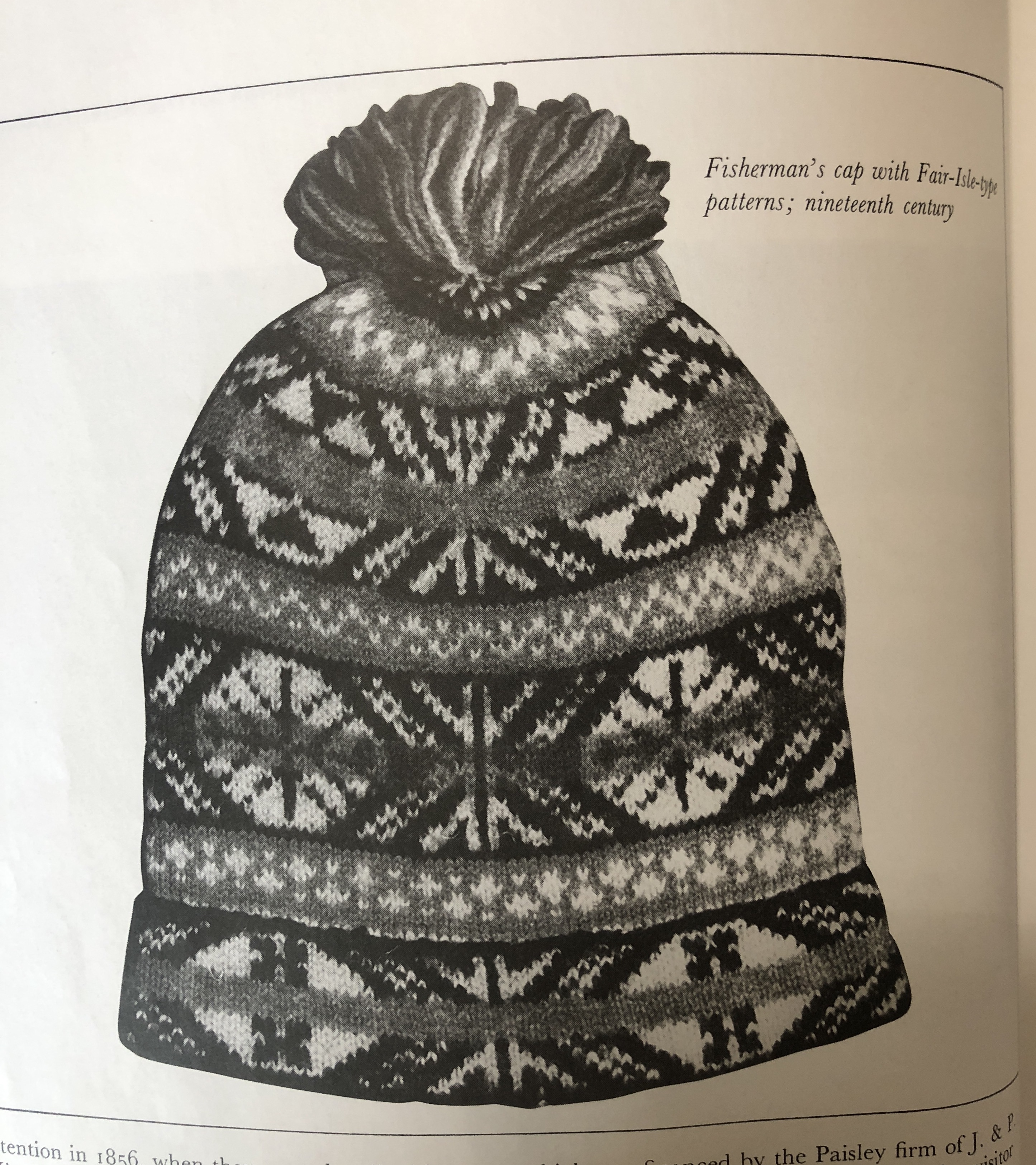
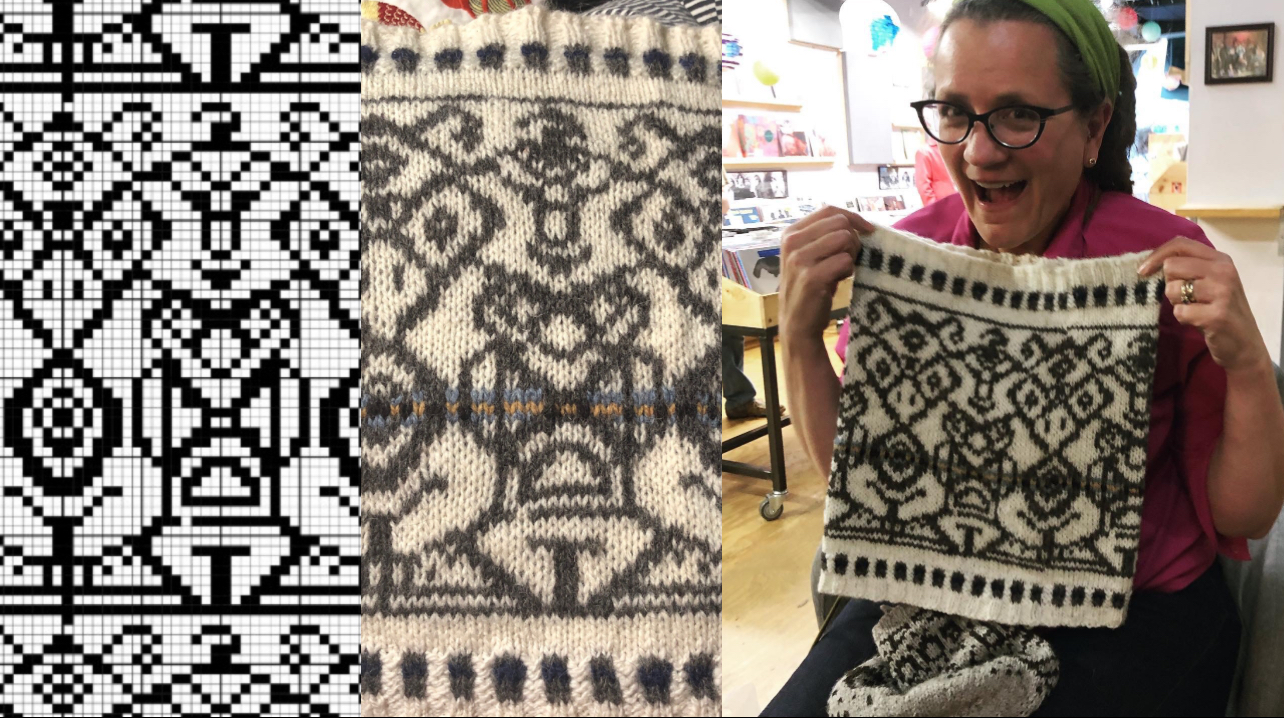
Shetland and the neighboring Fair Isle islands was an area with a reputation for fine wool and amazing knitting techniques. Colorful Fair Isle patterns and intricate lace shawls were the local specialties that ended up all over Europe and eventually, the world. The Shetland hap shawl pattern I found was a struggle for me knit. I was amazed to learn not that long ago, girls as young as five learned to knit by making this exact garment. This was preparation for knitting lace shawls so fine they could be pulled through a wedding ring–prized possessions of wealthy women and royalty throughout Europe.
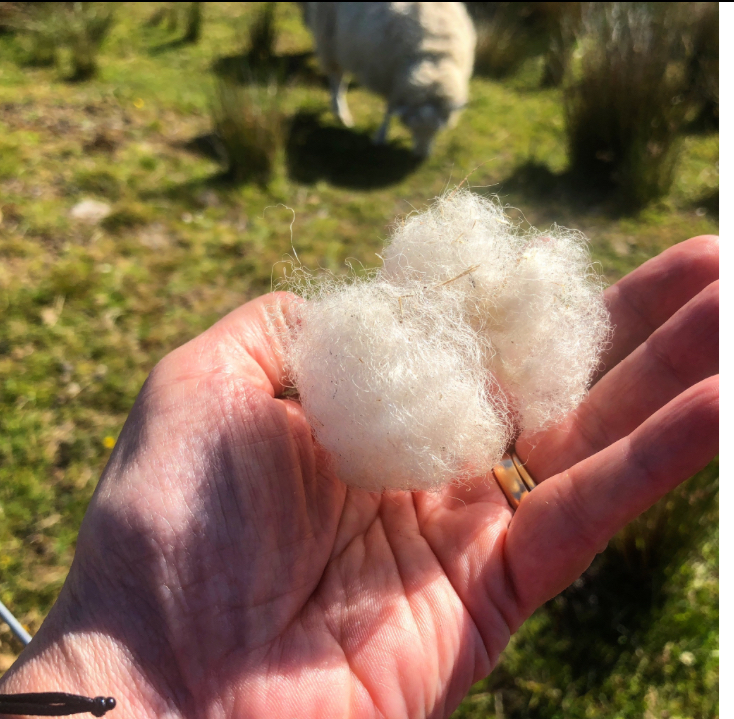
The people who knit these garments were tenant farmers on small landholdings called crofts, where subsistence farming and fishing were practiced. The knitwear produced was a much needed supplement to family income. The women had to find time to produce these luxurious items while also taking care of croft and family. As a point of reference, these islands are located in the North Sea, near the Arctic Circle. In Shetland. The sheep that produced the wool for these knit goods had been inhabiting the Shetland Islands for over 1000 years. Unlike contemporary sheep breeds, Shetland sheep shed their wool in the spring. The crofters would pull the wool from the sheep, wash it, card (comb) out the burrs and knots, and spin it into fine yarn. The shawls were sold or traded to the landlord for food not grown on the Islands (flour!), fabric, and tea. Left over yarn from shawl knitting was held double and used for sweaters, hats, gloves, and stockings decorated with an all over pattern. These patterened garments were never for sale, they were gifts for loved ones.
Third, the farmers and their families had little control of their lives. They spoke Gaelic, not English, and suffered a great deal of discrimination because of this fact. Many were tenant farmers, they could lose their land and their livelihood at the landowners whim. This article about the Highland Land Clearances is a great explanation of an important historical forced emigration event.
Finally, I learned before the 20th century, the patterns for lace shawls and Fair Isle garments weren’t often written down. They were taught generationally through families, and shared with friends. Some of these patterns had songs attached to them, and women and girls would sing songs while they were knitting as a way to remember which stitches came next. The patterns weren’t written because these people spoke Gaelic, not English, which meant many were illiterate. They faced discrimination and abuse at the hands of their British landlords because of this fact.
This research and my students opened my mind and my life. Creativity and beauty transcends time, culture, and social situations. Creating beauty through life’s disasters is what creates culture. It’s one thing to know this intellectually, and another to witness it happening in real time, and feel it through my being. My students, graffiti artists, generations of hand knitters and myself have a lot in common–we make beautiful things because of difficult circumstances.
All of these things resonated with me in a personal, familial way, and it resonated with the current lives of my students. I think about contemporary graffiti and the music and culture connected to it and can’t help but see correlations–the only thing separating us is time, and seriously, what’s time anyway? It’s a cultural construct; everything is connected whether we see it or not.
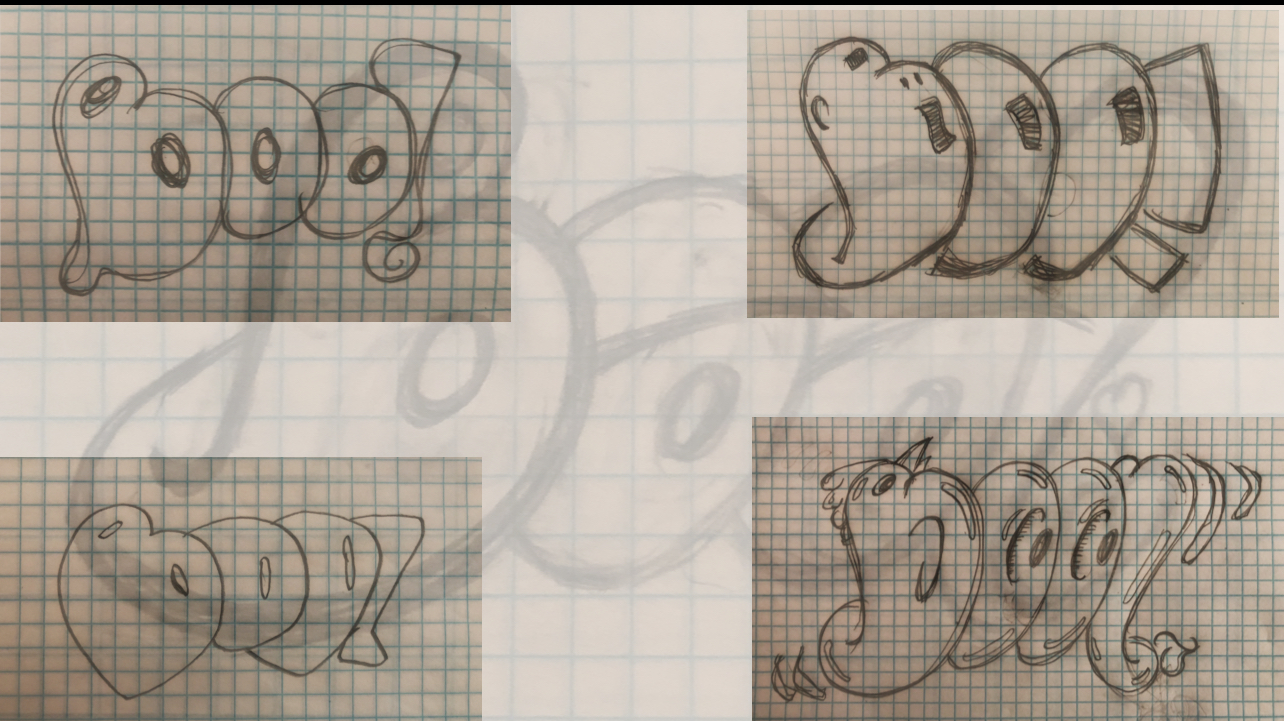
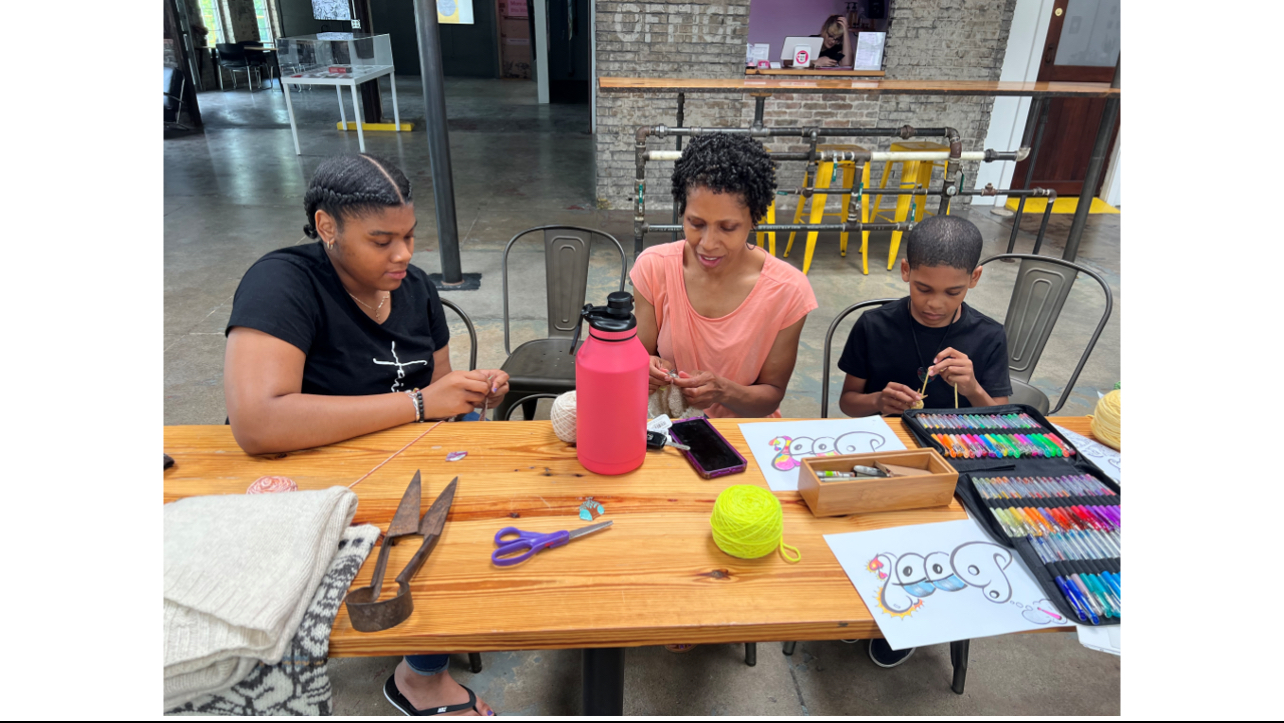
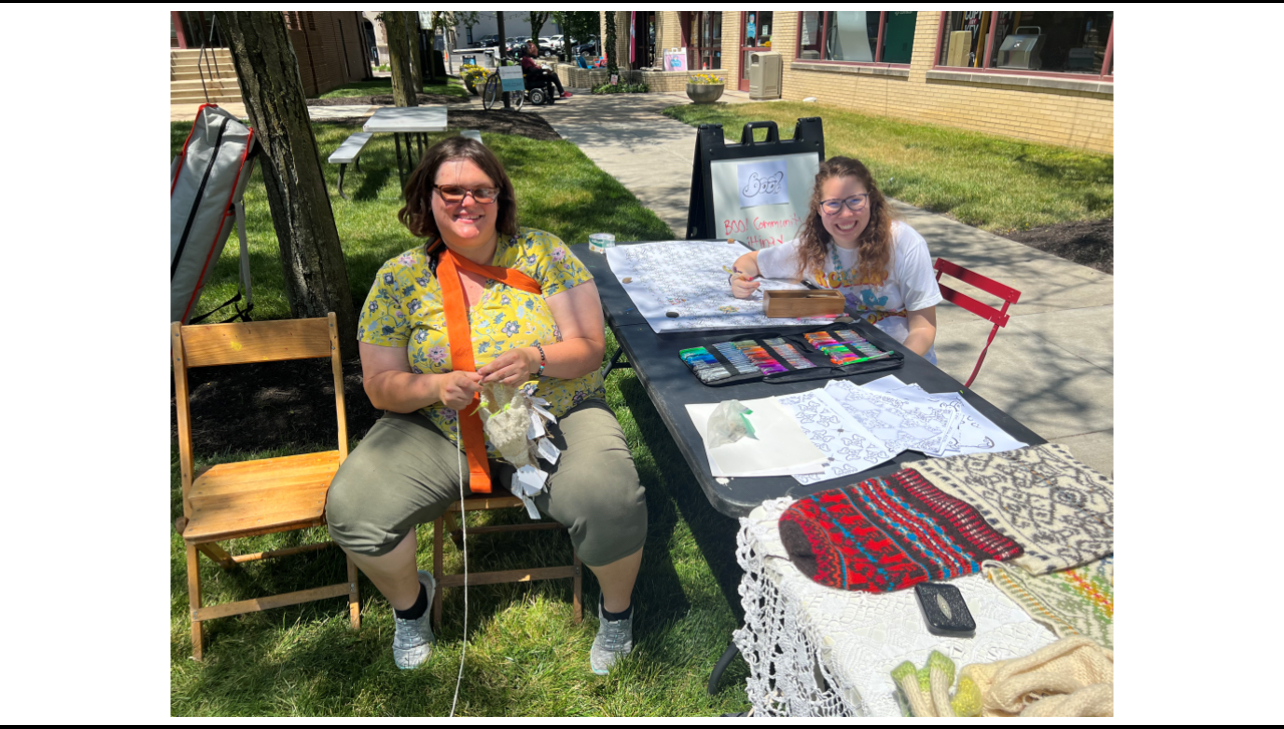
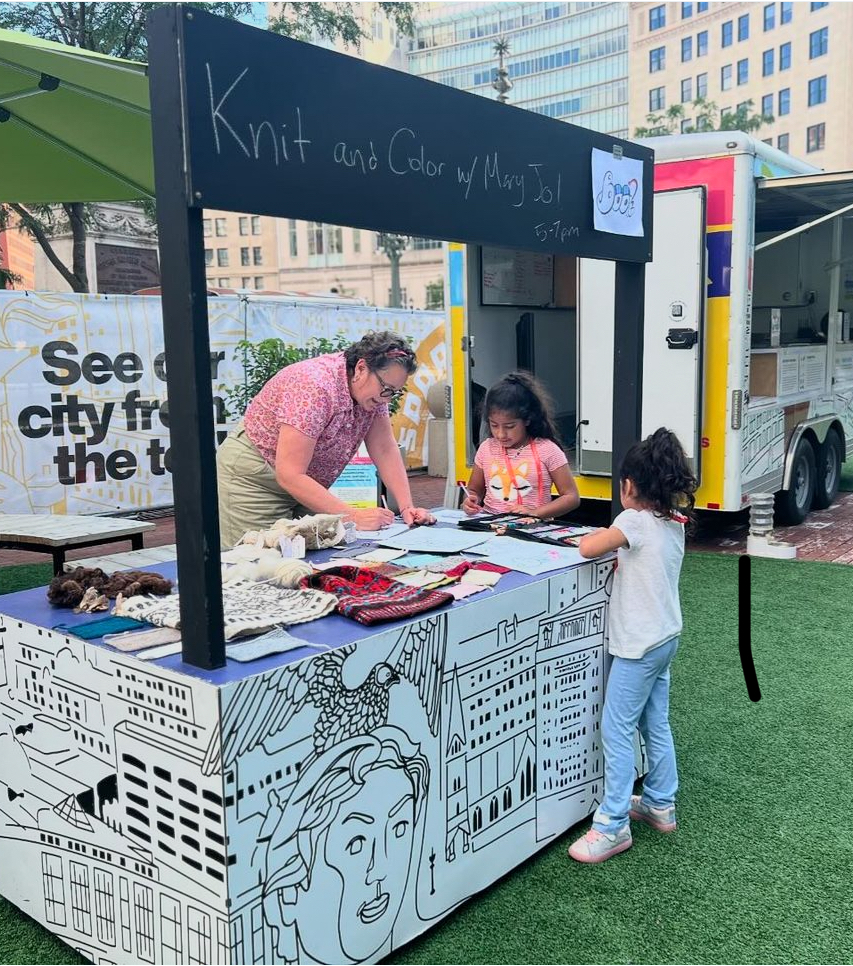
Below is the image of my traditional Shetland Hap Shawl in progress, with coloring sheets I made on Adobe Capture from the word “boo”, inspired by my time teaching young artists in South Indy.
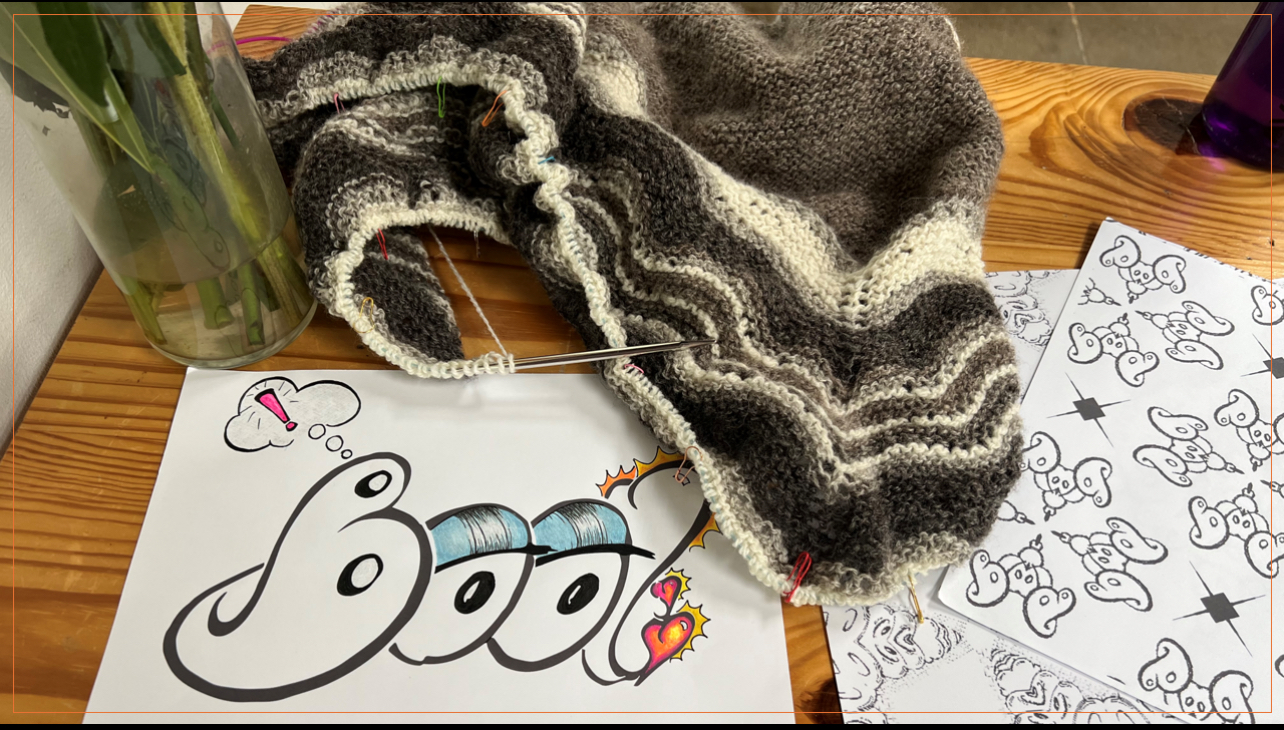
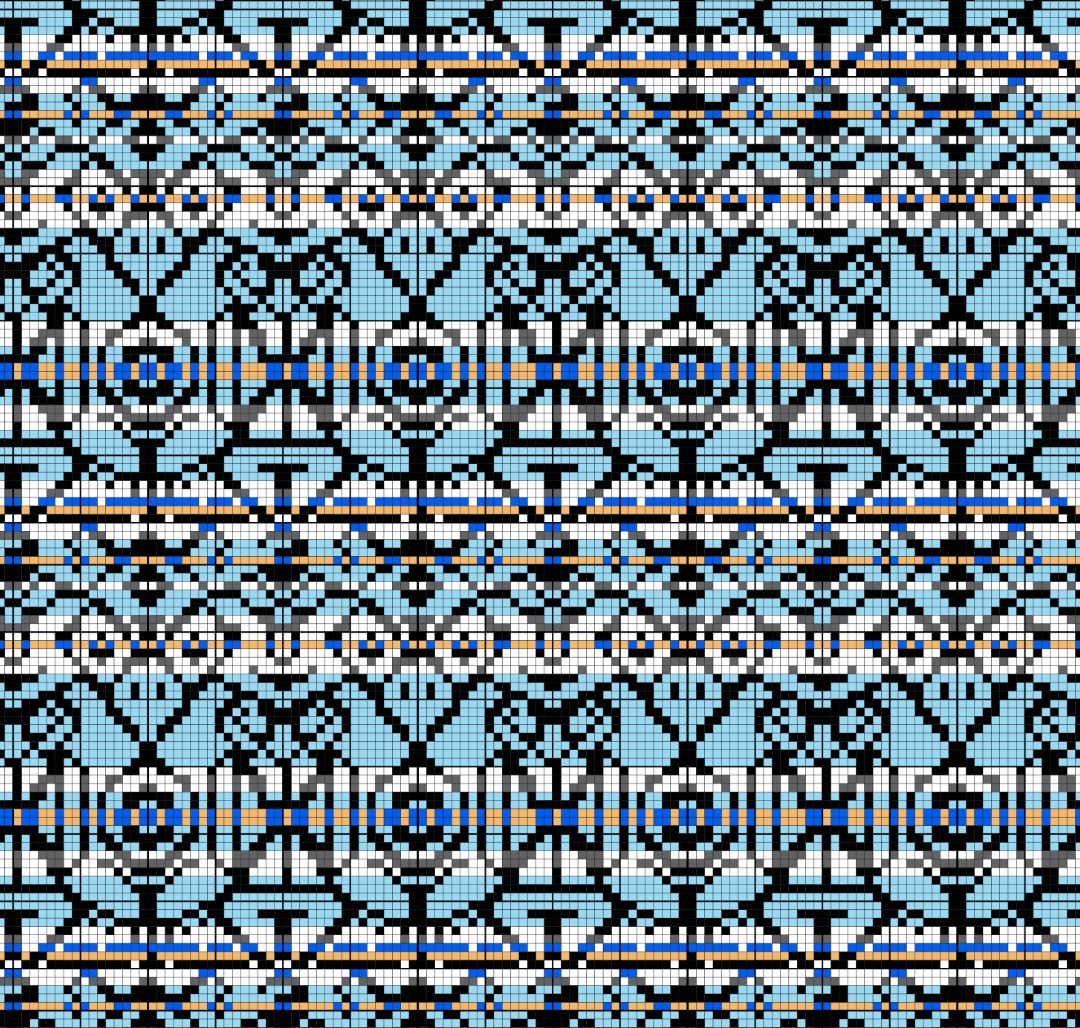
Shetland Lace, Fair Isle knitting, and my artwork inspired by Fair Isle Patterns and my students.





Special thanks
Huge thanks to my students from 2012-2019 for inspiring BOO! I love and miss you all!
I would also like to thank Big Car Collaborative and Tube Factory Artspace for supporting BOO!’s growth–thank you, thank you, thank you!
And finally, to my main supporter, my soulmate, thank you Arlon, for believing in my vision and passion.
 Home of BOO! Naptown Purls, and The Village